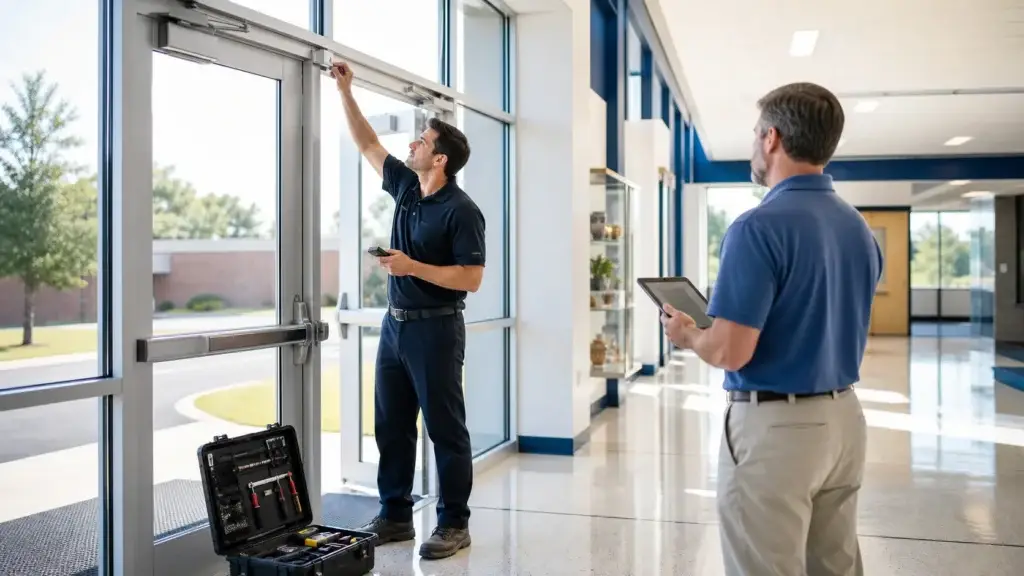
Troubleshooting Quiet Door-Ajar Sensor Failures in Long Island Schools
Door ajar systems in Long Island schools are supposed to be quiet when things are normal and loud when something is wrong. The real problem comes when a door…


Door ajar systems in Long Island schools are supposed to be quiet when things are normal and loud when something is wrong. The real problem comes when a door…
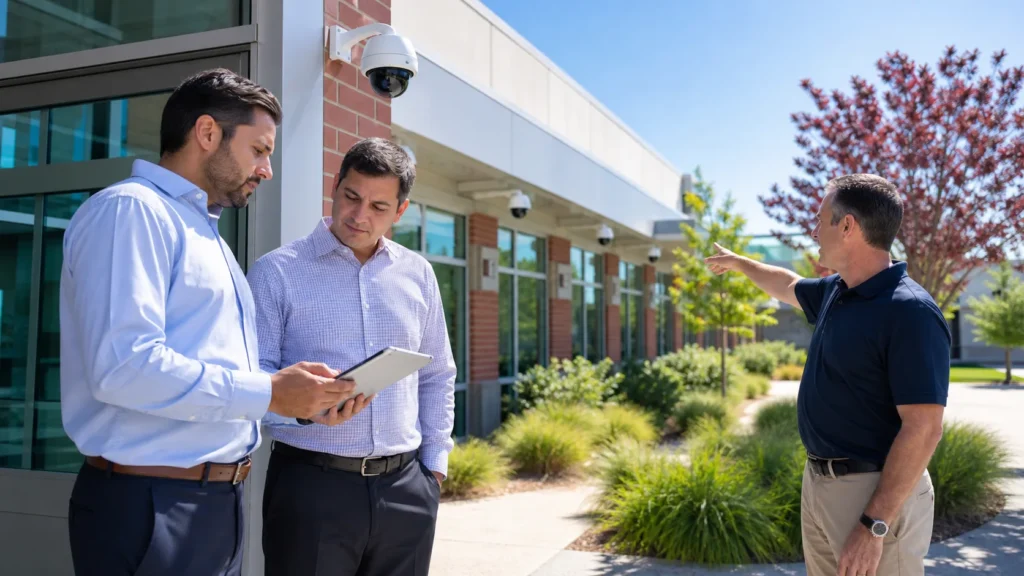
School safety planning tends to ramp up as a new school year gets underway, but for many Long Island districts, security cameras are now part of an ongoing c…

School networks are carrying more than lesson plans and online tests. Every year, districts add cameras, access control, visitor management, classroom tech, …
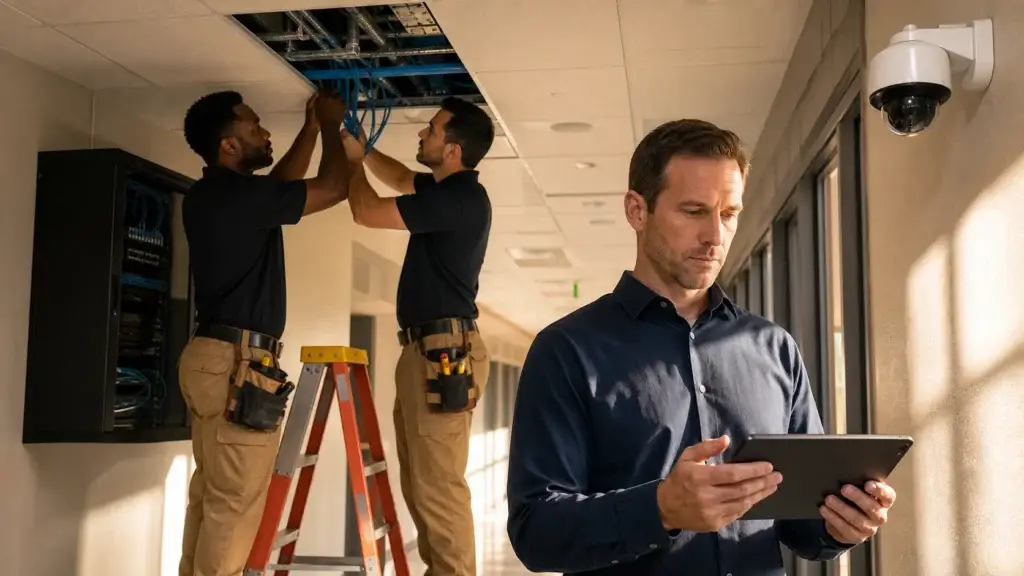
Why Camera System Quotes Miss the Real Cost
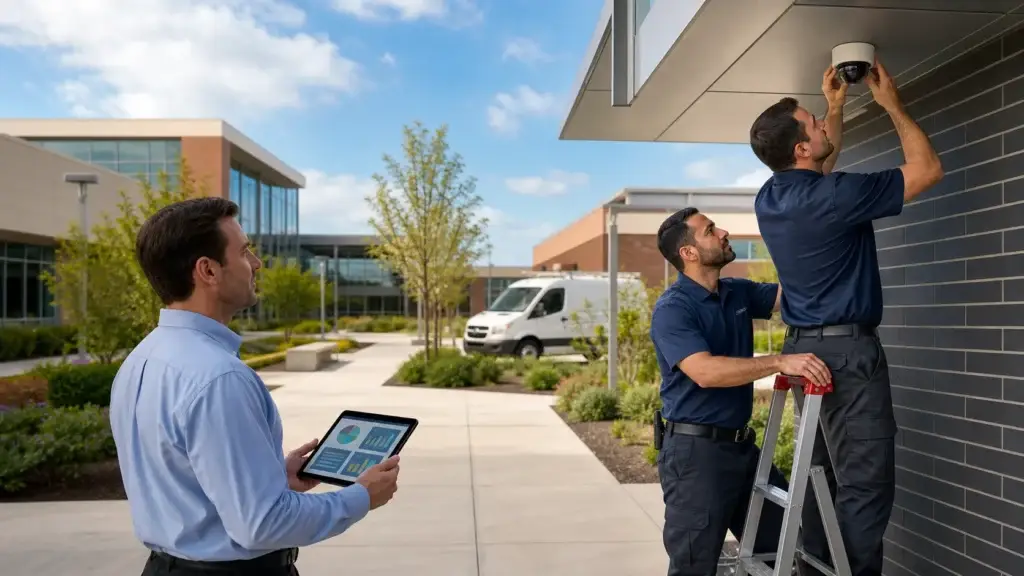
Turning Camera Costs Into Long-Term School Safety Gains
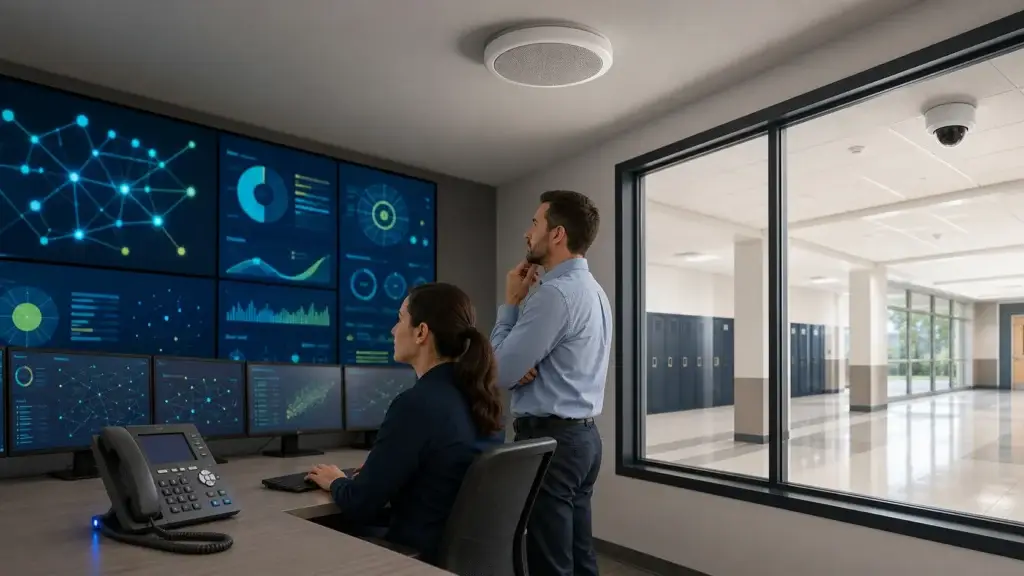
Building Reliable Lockdown Networks Before School Starts
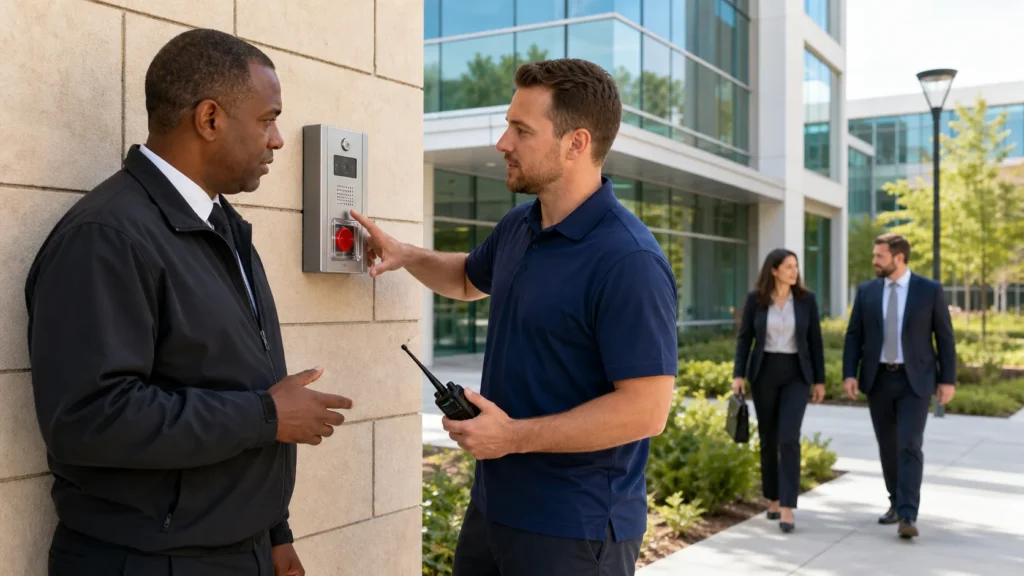
Silent lockdowns let schools and universities react to a threat without sirens, loudspeaker alerts, or chaos in the halls. Instead of a blaring alarm, staff …

School front desks on Long Island are busy places. Parents come in for meetings, therapists arrive for sessions, contractors show up to fix things, and deliv…
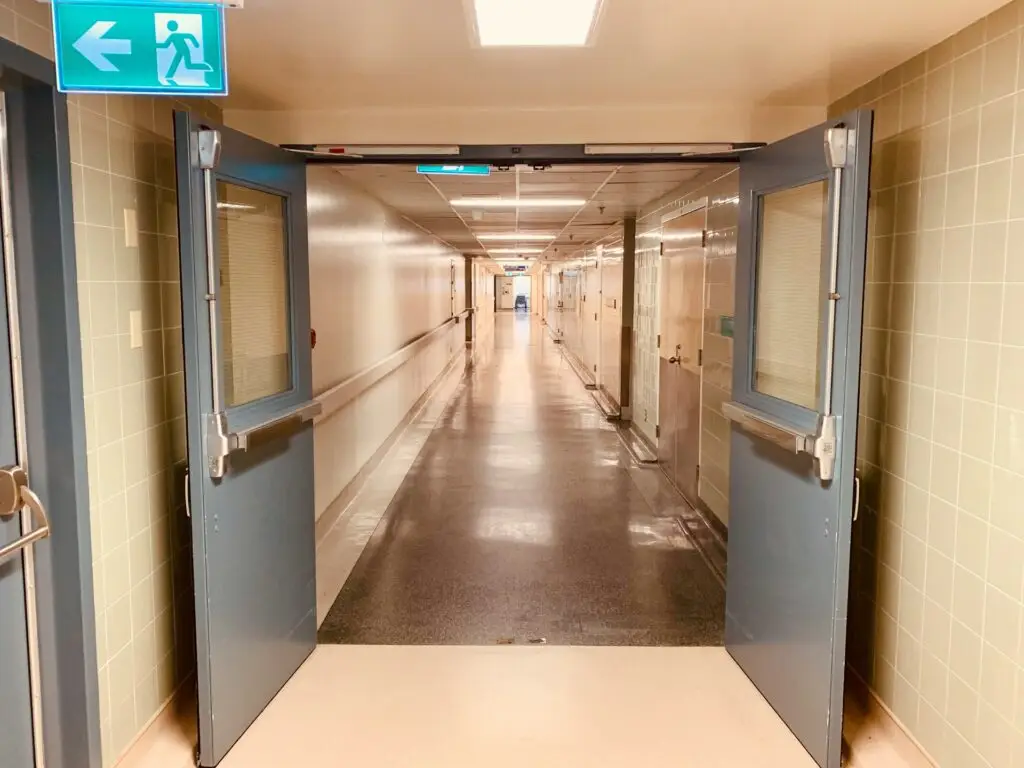
Use Door-Ajar Analytics to Stop Recurring Hallway Propping and Incidents Turning Door-Ajar Data Into Fewer Hallway Incidents Door-ajar alerts do not have to be one more noise your team tunes out. When they are set up and read the right way, they can quietly point you to the same doors, the same times of day, and the same habits that sit behind many hallway incidents. As schools get ready for a new year, leaders often want safer hallways without more alarms, more rules, or more stress on staff. Smart door-ajar analytics can help. By collecting simple data like time, duration, and location from door-ajar systems in Long Island schools, you can spot recurring problem areas and fix the reasons doors are propped in the first place. In this article, we walk through three practical levers: finding time-of-day trends, building staff coaching around data, and making targeted hardware changes, such as closer tuning or delayed egress. Our team at NCD Communications has helped schools take this calm, data-driven path so they see fewer incidents and fewer false alarms at the same time. Why Door Propping Sticks Around, Even with Good People Hallway door propping usually comes from real daily pressures, not from people who do not care about safety. On a typical school day, staff are juggling: Busy passing times and crowded hallways Teachers pushing carts, instruments, and equipment Custodial work and vendor deliveries After-school clubs, sports, and community events When doors are hard to move through, far from parking, or slow to unlock, people look for shortcuts. A doorstop or trash can seems harmless in the moment. The problem is what happens next. Propped hallway doors can: Invite unauthorized entry from side lots or loading areas Create blind spots where supervision is weak Disrupt lockdown or shelter-in-place plans Standard door-ajar alarms often make this worse. If alerts are constant, staff start to ignore them. The main office gets tired of endless calls. Security teams feel like they are chasing the same doors over and over. Staff feel policed instead of supported. In our experience, the core issue is usually that systems do not match real routines. Analytics give you a different way to respond. Instead of asking, “Who did this?” you can ask, “Why is this door always propped at this time, and how do we fix that?” Spotting Time-of-Day Hotspots with Door-Ajar Analytics Smart door-ajar analytics sound complex, but the idea is simple. Your door sensors and access control system already know when a door opens, how long it stays open, and whether it closed in time. When those events feed into reporting software, you get a clear picture of door behavior across the building. The patterns to look for are usually straightforward: Time-of-day spikes, like morning arrival, lunch waves, dismissal, or after-care Specific door locations, like back stairwells, gym wings, or service corridors Duration patterns, such as quick holds versus doors that stay open far too long When we help schools set this up, we often build basic dashboards that highlight: Doors with the most repeat ajar alerts Peak times when those alerts cluster Any doors that stay open beyond a defined safe threshold One school, for example, found that a side hallway door near the music area went ajar almost every weekday during the same 15-minute window before first period. The data made the pattern obvious: students and staff were propping the door to make instrument drop-off easier. That one insight changed the conversation. Instead of another memo about “Do not prop doors,” the leadership team could rethink how arrival and drop-off worked in that wing, and where supervision and access should be during that time. Turning Patterns Into Coaching Instead of Punishment If door-ajar data is only used to call people out, it will feel like surveillance. If it is used as a starting point for problem solving, it becomes a safety tool that supports staff. We often suggest a simple coaching workflow: Review weekly patterns with a small safety or operations team Pick two or three doors or time windows where propping is frequent and higher risk Meet with the staff who rely on those doors and ask them what they are dealing with The key is to listen first. Staff usually have very clear reasons for what they are doing. They might be trying to avoid long walks between buildings, dealing with late buses, or working around interior routes that are locked at certain times. The data gives you the “what” and “when.” The people give you the “why.” When we sit down with school teams, we often bring a simple chart or screenshot and say, “Here is what we are seeing at this door. Help us understand what is going on so we can make it easier and safer.” From those talks, small, practical changes often appear: Tweaking bell schedules by a few minutes to smooth traffic Staging carts, instruments, or supplies closer to secure entries Assigning a staff member to manage a specific door during a busy window Clarifying procedures so staff know which doors should be used for which tasks The result is fewer propped doors, better trust, and a shared sense that the system is working with staff, not against them. Using Data to Target Hardware Fixes Like Closers and Delayed Egress Door-ajar analytics also show where a physical hardware change will make the biggest difference. Instead of replacing or adjusting hardware across the whole campus, you can focus on the handful of doors that cause the most issues. Common hardware fixes we help schools look at include: Door closer tuning, adjusting speed and force so doors close securely but do not slam or feel too heavy for younger students Delayed egress on carefully chosen exits, where a brief time delay and local alarm discourage casual propping while still meeting fire and life safety codes Approved hold-open devices and magnets where allowed, tied into the fire system so doors release automatically in an emergency For example, repeat propping

How to Improve School Security in Long Island: A Practical Guide What School Security Really Means for Long Island Districts Improving school security on Long Island does not have to mean turning buildings into fortresses. For most administrators, the real goal is simple: keep students and staff safe, keep the day running smoothly, and have clear tools to respond when something goes wrong. That takes thoughtful systems, not just more hardware. Our team spends a lot of time in schools across Nassau and Suffolk counties, and we see the same pattern again and again. Older buildings mixed with newer additions, tight budgets, and pressure from parents and boards to “do more” without slowing down learning. This guide on how to improve school security in Long Island is based on what we see in districts across Nassau and Suffolk counties every week, and it focuses on practical steps you can actually act on. When we talk about security, we are talking about a system. Cameras, access control, lockdown buttons, paging, and low-voltage cabling should work together, support daily operations, and be realistic for your staff to manage. Our team at NCD Communications often finds that schools do not need more gear first. They need existing systems to be reliable, easy to manage, and aligned with how staff actually work. We will walk through how to assess where you are today, tighten entrances, use cameras the right way, plan for lockdowns and alerts, and shore up the wiring and power that keep everything running. No scare tactics, no buzzwords, just clear steps. Start with a Real Assessment, Not Just a Wish List Before deciding how to improve school security in Long Island, it pays to understand where your current systems are failing you day to day. A simple, structured review is the best place to start. First, walk the campus the way others do it. Do this during: Morning arrival Dismissal Late arrivals through the main office After-hours events As you walk, look for common issues we see often, such as: Side doors used as “secret” entrances for staff or students Cameras that miss the approach to the main entrance or bus loop Visitors finding paths that skip the main office lobby Check entrances, the visitor route, office line-of-sight to the front door, key hallways, and parking areas. Make notes, not just of equipment, but of how people actually move. Next, inventory systems and policies together. Technology only helps if it matches your rules: Who is allowed in which areas, and when? How are keys and access cards issued, tracked, and revoked? Are cameras watched live by anyone, or only used after an incident? A simple table can help: list each system, its purpose, current condition, who manages it, and common problems staff complain about. Then, identify which gaps really affect safety and operations. Some upgrades are “nice if we can,” others are must-fix: Exterior doors that do not reliably stay secured Weak or uneven communication during an incident PA or alerts that are not clear or audible in every classroom We regularly see that solving a small number of these core issues does more for real safety than a long list of new gadgets. Control the Front Door and Visitor Flow For many districts asking how to improve school security in Long Island, tightening exterior doors and main entrance procedures is the most impactful first step. During school hours, aim to make the main entrance the only entrance. That usually means locked exterior doors, a video intercom so staff can see and speak with visitors, and a remote door release. A secure vestibule or lobby can keep visitors in a controlled space until they are checked in. Clear signs and simple routines reduce the temptation to prop side doors or “help” people in. Access control is another key layer. In plain terms, access control means card readers, fobs, or PIN pads that decide who can open which doors, and at what times. Compared to metal keys, this helps you: Deactivate a lost card in minutes Set different access for teachers, custodial staff, and vendors Keep an audit trail of door activity when you need it We often help schools move from a box of untracked keys to a simple, role-based access system tied-in to existing doors where it makes sense, instead of replacing every door. Visitor management should support the front office, not fight it. That can be as simple as: Checking ID for all visitors Printing or issuing visible visitor badges Using sign-in software that feels natural to staff Keeping a clear policy on when visitors need escorts If a system slows lines or confuses staff, it will eventually be ignored. Look for tools and routines that match your actual daily pace. Use Cameras as a Tool, Not a Crutch Cameras are helpful, but they do not replace good procedures and controlled access. They are one part of the answer, not the whole thing. Start by deciding what you need to see, then place cameras for that purpose. Focus on: Entry doors and main approaches Bus loops and parking lots Main interior corridors and intersections Play areas and fields that see frequent use We often find too many cameras in low-risk spots and not enough watching key access points. Glare at glass entrances and poor nighttime lighting are common problems as well. A simple building map, marked with risk areas and current cameras, can show where you truly have blind spots. Next, make sure video is there when you need it. That means: Storage sized to match your retention policy Clear rules on who can review and export footage Recording equipment in secure, ventilated spaces Stable network connections so cameras do not drop offline We have been called in after events where video that “should” exist was missing because recorders were full or lost power. Those are preventable with some planning. Finally, think about smart integration, not complexity. For example, linking door sensors so that a held-open or forced