
Long Island School Event Visitor Management: High-Volume Check-In Playbook
Turning School Events Into Safer, Smoother Experiences
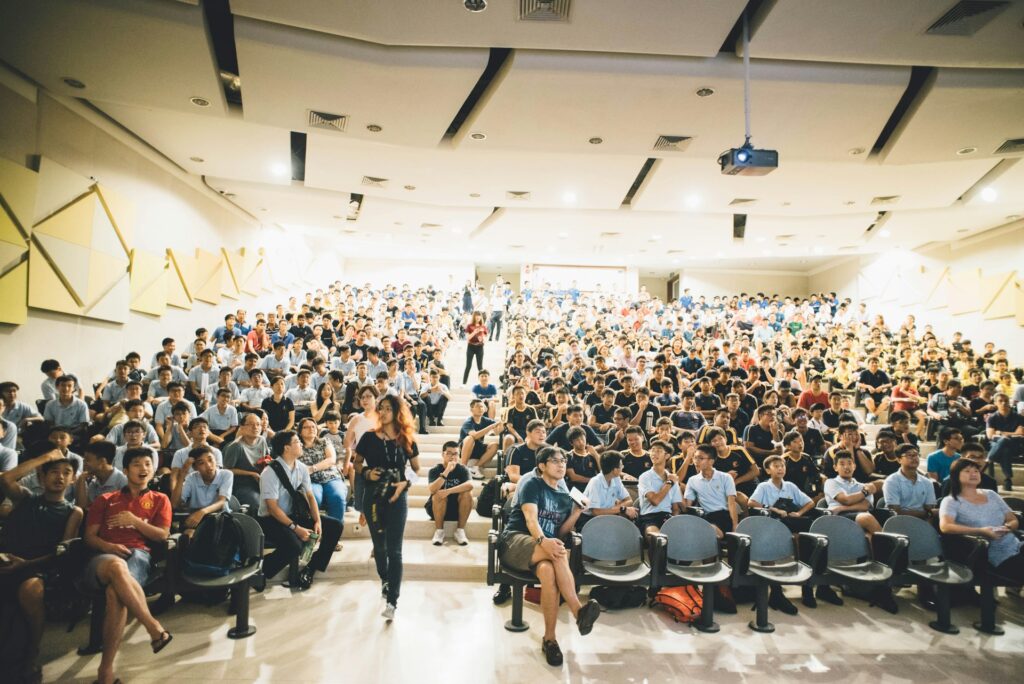
Big school events bring a lot of joy and a lot of stress. Spring concerts, graduation, field day, sports playoffs, and award nights can bring hundreds of visitors through your doors in a short amount of time. When you add parking, excited students, and tight schedules, small issues at check-in can snowball fast.
Long lines, confused visitors, and staff pulled between greeting families and watching students all add pressure. Paper sign-in sheets, unclear routes, and ad hoc badge systems make it even harder to keep track of who is on campus. Safety teams feel the weight of that, especially on Long Island where many schools sit near busy roads and shared community spaces.
A clear visitor management process, backed by the right technology, can turn those hectic arrival windows into a calm, predictable routine. For events, visitor management simply means how the school plans, registers, verifies, badges, and tracks every adult entering campus for that event. Done well, it gives you clean records that support reunification if something goes wrong, while still keeping events warm and welcoming.
Why Event Check-in Brings Different Safety Risks
Event nights do not work like a normal school day. More doors tend to be propped open. Many of the adults coming in will not appear in your student information system. Staff feel pressure to keep the line moving so families are not stuck outside while the concert starts.
On Long Island campuses, we often see the same patterns during big events:
- Handwritten sign-in sheets no one can read later
- Generic stickers that fall off or do not show where visitors belong
- A “just wave everyone through” mindset once the line stretches down the hallway
This is not about blame. It is about understanding that when the crowd grows, it gets harder to answer simple safety questions. Who is on campus right now? Who is allowed to leave with each child? Did someone who should not be on site slip in with the group at the door?
School visitor management systems in Long Island help by giving you one repeatable process that you use every time. Staff know the steps. Visitors see the same routine across schools. The school can stay friendly at the front door, without losing control of who is inside the building.
Pre-Registration That Actually Reduces Lines
For high-volume events, pre-registration is the backbone of visitor management. The more information you collect before the event, the faster and calmer check-in will be on the day itself. Pre-registration also sets expectations for families so the process feels normal, not like a surprise security step.
You can boost pre-registration by making it easy and hard to miss:
- Put a clear link in every parent email about the event
- Add a QR code to printed flyers and posters
- Include reminders in district apps and on marquees
- Use “please register by this date” and then quietly keep it open a bit longer
The form itself should stay simple. In most cases, schools focus on:
- Full name of each adult attending
- Contact information
- Connection to the student or group
- Basic ID details for day-of verification
- Pre-approved pickup information, when release is part of the event
If the form is too long, people skip it and show up as walk-ins. When schools move from walk-up sign-in to pre-registration for events like concerts, the check-in experience can shift from minutes per family to seconds. Visitors arrive, give a name or scan a code, and staff see a ready record in the system.
Tied into school visitor management systems in Long Island, pre-registration lets data flow into the system before the first car pulls into the lot. Badges are ready to print. Flagged visitors can be reviewed ahead of time instead of at a crowded doorway.
Designing Rapid Badge Printing and Clear Volunteer Flows
On a busy event night, a good badge is not just a sticker. It is a quick visual tool for staff and security to see who has checked in, where they are allowed to be, and whether they can pick up a student. That only works if the badge process is fast and reliable.
A smooth badge workflow usually looks like this:
- Pre-registered visitors scan a code or give their name and get an auto-filled badge in seconds
- Walk-ins use a streamlined check-in station with simple prompts
- Staff are nearby to help with questions so the line never stalls
- Printers sit where the line naturally moves forward, so no one has to double back
Badge design choices make a big difference. Many schools use:
- Color bands for different roles, such as parent, vendor, volunteer
- Large, easy-to-read fonts
- Student name, homeroom, or team where appropriate
- One-time-use badges that are hard to reuse on another day
The equipment and setup matter too. Our team often helps schools decide how many kiosks and printers each entrance needs, whether those printers should be wired or wireless, and where to put backups. Testing print speeds and doing a quick trial run before the event can prevent the classic “everything stops at the printer” problem. Simple habits like keeping spare labels and having a manual backup plan, such as pre-printed color-coded badges, keep lines moving even if one device misbehaves.
Volunteers need a slightly different flow. Many arrive early, stay late, and may handle money, student supervision, or access to places like backstage or concession storage. A two-layer approach works well:
- Pre-event vetting in the same or a connected system used for daytime visitors
- Event-day check-in that issues a clearly different volunteer badge tied to specific roles
Permissions can be simple but clear. For example, some volunteers may be allowed in the gym and concession areas but not classroom wings. PTA leaders might have access to ticket cash boxes but not backstage.
We see Long Island schools manage this smoothly by setting up a separate volunteer check-in table, using “lead volunteer” badges in a different color, and giving short printed role notes on the badge or on a small card. When volunteers know ahead of time which door to use, where to check in, and why the process is a bit more structured, it feels like support, not suspicion.
Reunification-Ready Logs and Tying Events Into Security Plans
Reunification is how the school safely reconnects students with families or caregivers after an emergency that disrupts normal dismissal. During an event, that can be especially stressful if your only records are a half-complete sign-in sheet and memory.
Accurate event attendance logs give your team a head start. A reunification-ready log includes:
- Time-stamped check-in for each visitor
- Associated student or group
- Contact information
- A record of when a visitor leaves, or when a student is formally released to an adult
School visitor management systems in Long Island support this by centralizing records where administrators can see them, search them, and export them if you need to work from an alternate location. In a weather emergency during an evening concert, for example, those logs help the reunification team confirm which students arrived with which adults, who has already left campus, and who may still be on site.
Privacy still matters. Clear rules about who can access visitor data and how long logs are kept, along with simple explanations to families about why records are kept, build trust.
Event visitor management does not sit on its own. It should connect with the rest of your security plan: doors and locks, access control, camera coverage, PA systems, and lockdown alarms. When we work with schools, we often walk through:
- Which entrances will be open for the event and which must stay locked
- How cameras cover check-in points and main traffic routes
- How announcements, radios, or alarms would work if something happened mid-event
Big spring and end-of-year events are a good time to test and refine these workflows before the next full school year. After each event, a short debrief with staff about line length, parent feedback, volunteer questions, and any security concerns helps you turn one night’s experience into better everyday safety.
Our team at NCD designs and installs integrated systems that support this kind of visitor management. When schools are ready to update their approach, we help them map event needs to practical technology and clear procedures, so large events run on calm, consistent processes that keep people safe and still feeling welcome.
Get Started With Your Project Today
If you are ready to modernize how your campus tracks and protects visitors, we can help you put the right tools in place from day one. At NCD Communications, we design and deploy school visitor management systems in Long Island that fit your existing workflows and security goals. Tell us about your current challenges and we will recommend a tailored approach, from software configuration to on-site implementation. To schedule a conversation with our team, simply contact us.