Blogs

Blogs

Steps to Combine Surveillance and Access Control Without Downtime

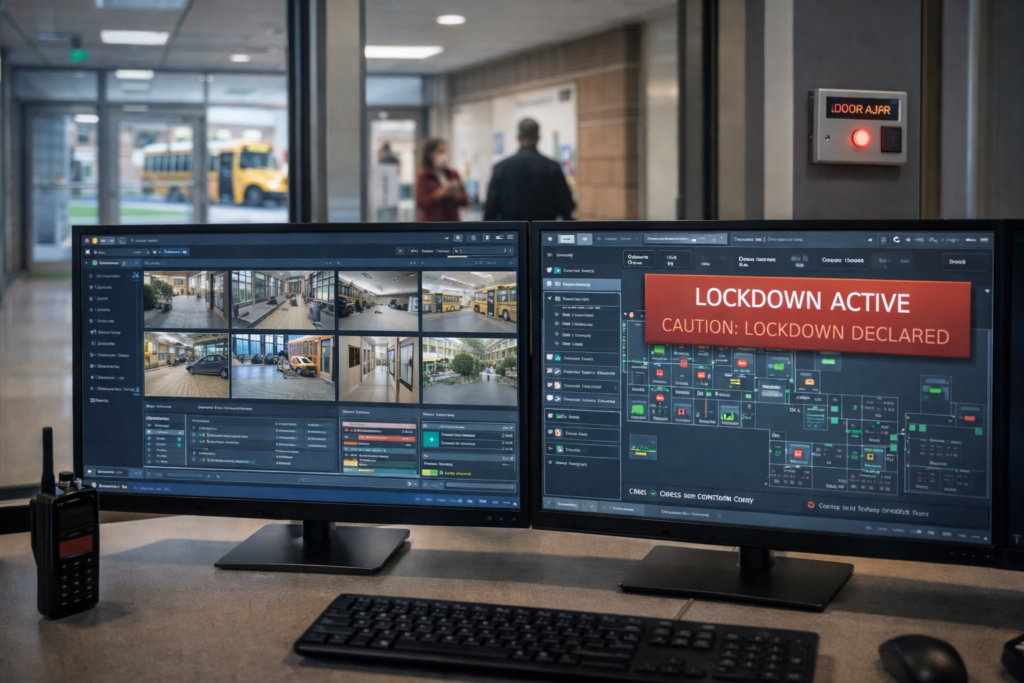
Combining access control with surveillance makes it easier to manage school building safety throughout the day. Security system integration helps staff track who comes in, where they go, and when something looks off, all without waiting to check camera footage after the fact. When systems talk to each other in real time, the response can be faster, especially during emergencies.

But updates like this take planning. We’ve seen problems when schools jump in without a clear path. Cameras can go offline during install, or badge access systems stop syncing when software isn’t updated properly. These gaps, even for a few hours, cause confusion for staff and students. As a Long Island-based security provider with more than 25 years of experience working with schools, healthcare facilities, and commercial properties, we are a veteran-owned, licensed, and insured company founded in 1997 that provides end-user training and data collection for the systems we install. If you’re getting ready to bring your systems together, here are the steps we take to make sure it’s done without disrupting daily operations.

Technician in blue overalls checks network cables in a server room, holding a device, surrounded by orange wires
Blogs

Guide to Choosing Structured Cabling for Long-Term Security Upgrades

Many schools schedule tech updates over winter break when hallways are quieter and fewer people are in the building. It’s a good time to check off bigger upgrades that would be disruptive during a normal week. One area that often gets pushed aside is the cabling that connects everything else. Structured cabling quietly supports the systems schools rely on every day, from access control to security cameras and classroom tech. When it’s done correctly, the benefits last for years and make daily operations smoother. We’ve worked with districts that thought they only needed a few new wires, only to find that small gaps in their setup were holding back their entire upgrade plan. Since 1997, NCD Communications has been installing structured cabling systems for major customers, giving schools and other organizations a more reliable foundation for long-term upgrades. Here are the key steps we follow to set up structured cabling for long-term security growth.

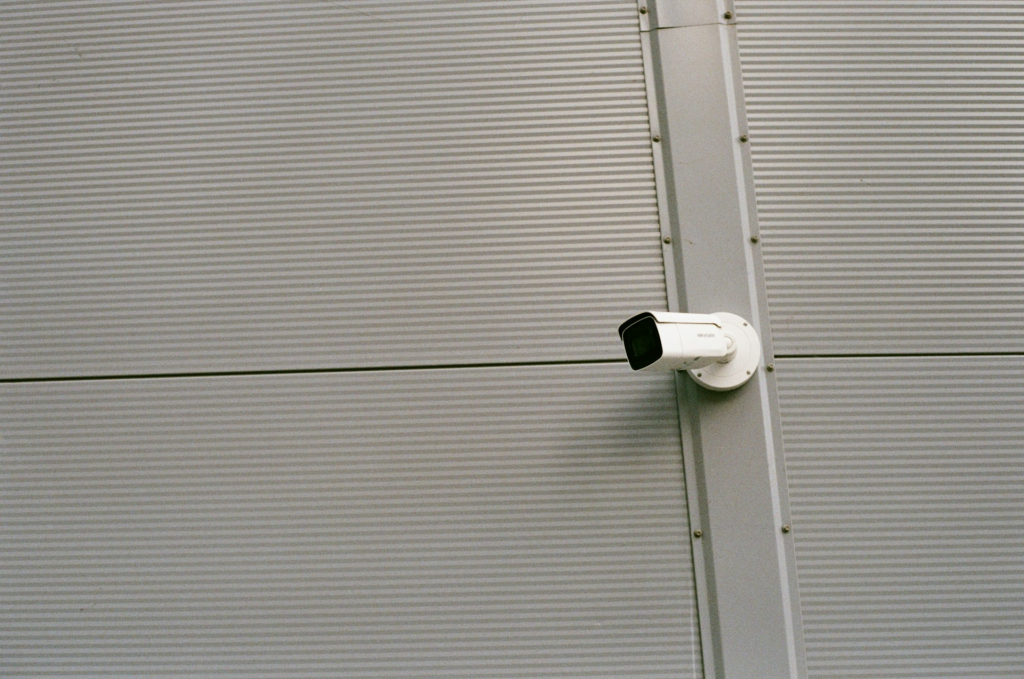
A security camera is mounted on a corrugated metal wall, angled slightly downward, capturing the area below.
Blogs

What to Check When Building Security Cameras Freeze in Cold Weather

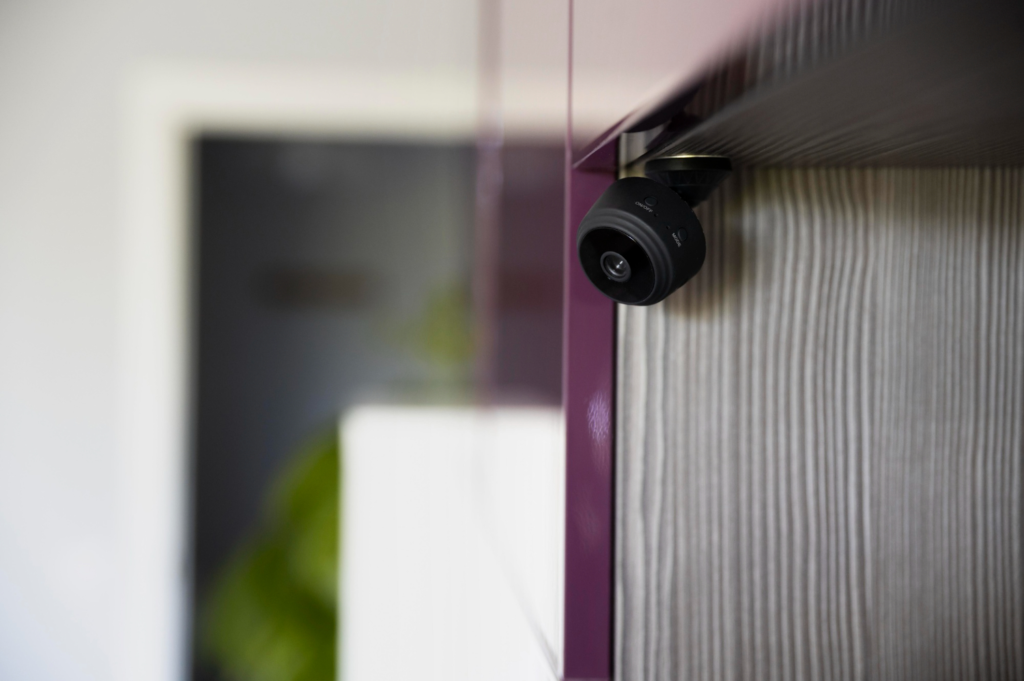
Long Island winters aren’t mild. Snow, ice, and gusty winds become regular visitors, and if you’ve got security cameras outside your building, you’ve probably seen the toll winter weather can take on that equipment. We’ve worked on many security camera systems here and have had dozens of winter maintenance conversations across schools and commercial buildings in Queens, Brooklyn, and Long Island. As a Long Island-based, veteran-owned security provider with more than 25 years of industry experience, we have seen how winter conditions affect both older and newer building security systems. A common concern comes up each year: why do cameras freeze when temperatures drop?

Whether you’re planning new security camera installation in the Long Island area or checking on an existing system before the next snowstorm hits, it helps to know what to look for when your cameras stop working. Frozen feeds, fogged lenses, or sudden disconnects aren’t just annoyances; they’re gaps that could leave your property unprotected.

Blogs

How Long Island Schools Can Audit Camera Coverage and Fix Blind Spots

Strong camera coverage is one of the simplest ways to support school safety. It helps staff see what is happening in real-time, respond faster when something is wrong, and review clear footage when questions come up later. The cameras themselves are only half of the story. Where they point, what they capture, and when they record are what really matter.

Many Long Island schools already have security systems in place, but a lot of those systems were designed for older building layouts and different safety expectations. New doors get added, portable classrooms show up, programs move to different wings, and the camera coverage never quite catches up. A structured camera coverage audit helps your team see what the system is really doing today and where the blind spots are.

A good time for this work is mid-year, when your staff knows where problems tend to happen and before spring events and outdoor activities add extra pressure. The goal is not to turn your team into security designers. It is to give you a clear, honest picture of what your cameras see so you can make smart decisions about what to fix next.

Blogs

How Door Access Systems Can Prevent Unauthorized Holiday Entry

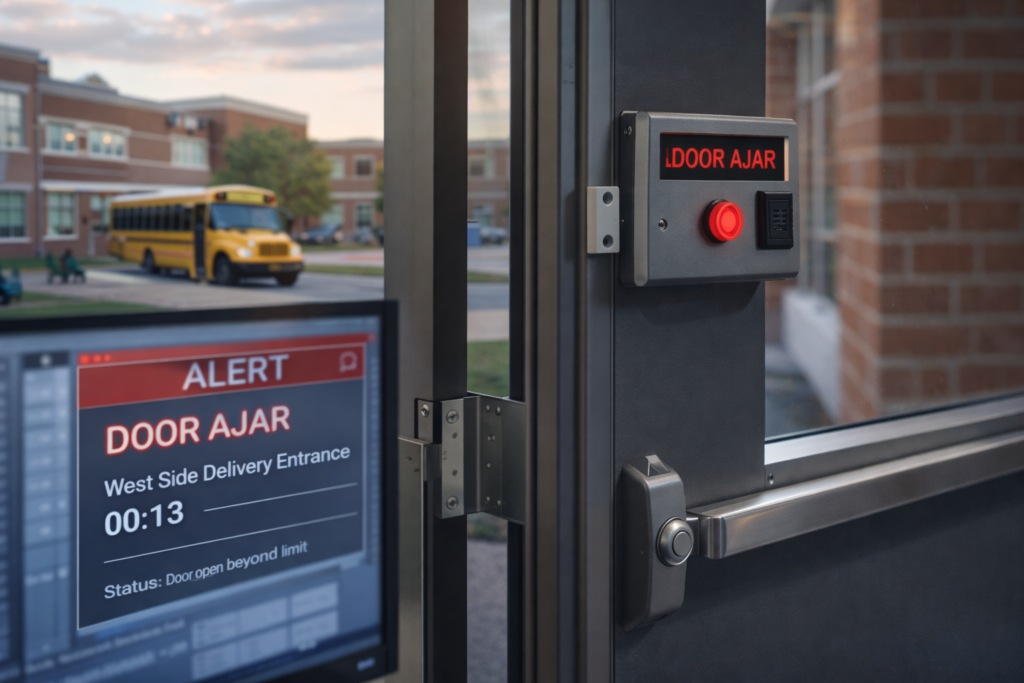
Holiday weeks can feel like a break for staff, but for an empty school or office, they can also bring security stress. When buildings get quiet, unwanted visitors sometimes see an opportunity. Without a full team on site, it’s harder to notice or respond to suspicious activity quickly. That’s where door access systems can play a bigger role than most people realize.