
Why Long Island Schools Rely on Door Ajar Systems for Daily Safety
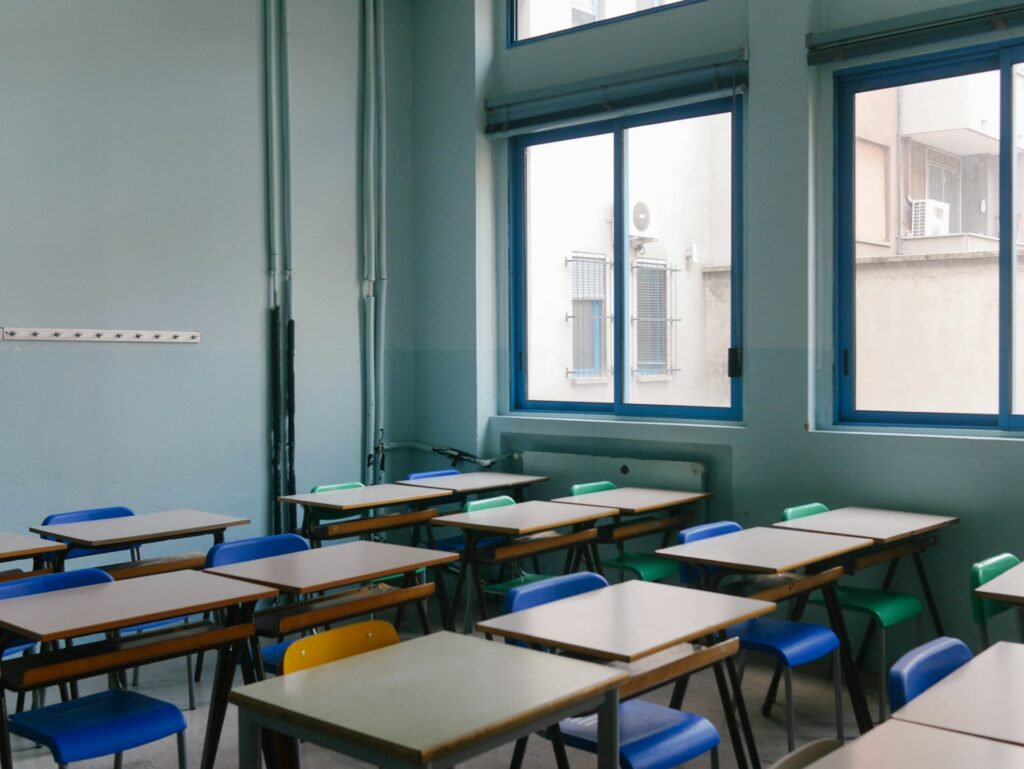
Why Long Island Schools Rely on Door Ajar Systems for Safety
Keeping exterior doors secure all day is one of the hardest parts of running a school. People, deliveries, sports, aftercare, and community events are all using the same doors, often at the same time. Door ajar systems help staff see what is actually happening at those doors instead of guessing or walking the building all day.
In this article, we will walk through what door ajar systems in Long Island schools really do, why unsecured doors are such a common headache, and how to make these systems work in day-to-day life, not just in rare emergencies. Our team at NCD Communications works with schools across the region, and we see the same patterns again and again, which means there are practical, proven ways to improve safety without making life harder for staff.
Door Ajar Alerts That Actually Help Staff Stay Calm
A busy school morning on Long Island can feel like organized chaos. Buses are unloading, families are dropping off students, deliveries are coming to side doors, and staff are trying to be in three places at once. In all of that movement, doors get propped open or pulled, but not fully latched.
A door ajar system is a simple idea. A sensor on the door tells the system when the door is open or closed. If the door stays open longer than it should, the system sends an alert, so someone can check it. That is it: open, closed, and how long it stayed that way.
Schools are turning to these systems not only for lockdowns or rare security events, but for daily control. When the system quietly watches the doors, staff can stay calmer, because they know they will be told if something is not right. Summer is often when districts review safety plans, door policies, and technology upgrades, so it is a natural time to decide how you want your doors to behave before students return.
Why Unsecured Doors Are a Daily Safety Problem
Most school door issues are small habits that add up over time. On Long Island, we often hear about:
- Exterior doors left cracked for fresh air
- Side doors propped open for late-arriving students
- Custodial or delivery doors standing open during busy work
- Gym or field doors left unlocked during practices and events
Each of these by itself might seem minor. Together, they create real risk. An unlocked, unsupervised door is an easy point of entry for someone who should not be in the building. For younger students or students who need extra support, an open door can be a temptation to leave the building without anyone noticing right away. Open doors also make it harder to know who is inside during drills or real incidents.
It is also important to remember that a locked door is not the same as a monitored door. A door can be technically locked, but if it is stuck on the frame, held open by a rock, or not closing properly, it is still a weak spot. These problems tend to increase in warm weather and during after-school use, when normal supervision patterns change and more doors are in use at once.
What Door Ajar Systems Actually Do All Day Long
Door ajar systems in Long Island schools are working in the background from the moment the building opens. Sensors at the doors report when the door is opened and when it fully closes again. A timer starts when the door opens. If the door is held open longer than the rule you set, the system sends an alert.
Those alerts can take different forms, such as:
- A brief tone or chime at the door itself
- A pop-up or message on a security desk monitor
- A notification sent to radios or phones for security staff
- A flag on a screen that is also showing cameras
The key is that the system is smart about what is normal. For arrival and dismissal, doors may be open longer, and the system can be told not to alert during that window. In the middle of a quiet period, even a short time open may matter more. That is where customizing the rules for each door and time of day really pays off.
We have seen schools reduce problems like unscheduled field use or people slipping in and out of side doors simply because staff now know the moment a door is left open. A quick check becomes part of a calm routine, instead of a scramble when someone happens to notice much later.
Connecting Door Ajar Alerts with Cameras and Access Control
Door ajar systems work best as part of a larger safety picture. When they tie into access control and video surveillance, they help staff answer three big questions very quickly: Which door is open, who used it, and what is happening there right now?
Here is how that can look in practice:
- A card reader or fob system controls who can unlock certain doors
- A camera is aimed at the same doorway
- The door ajar sensor watches how long the door stays open
If the door goes into an ajar state, the security monitor can automatically pull up the camera view of that door. Office or security staff do not need to leave their station to see if it is a staff member with a cart, a student trying to leave, or an unknown visitor. That makes it easier to respond calmly and appropriately.
During a lockdown or similar event, integration can also help staff and first responders know which doors are closed and latched and which still need attention. Seeing door status in real time gives a much clearer picture of the building, especially on larger campuses.
Practical Decisions and Steps for Better Door Monitoring
When schools think about door ajar systems in Long Island, a few practical questions usually come up first:
- Which doors matter most to watch right away?
- Who should get each type of alert, and how will they respond?
- Do different times of day need different rules for each door?
There is always a balance between safety and daily operations. If every door sends alerts all day, staff will tune them out. If alerts are too limited, real issues could be missed. We often suggest starting with doors that already cause frustration, such as:
- Back doors near parking lots
- Gym, auditorium, and cafeteria exits
- Delivery and custodial entrances
- Doors between connected buildings or wings
Training and clear expectations are just as important as the hardware. Staff need to know what each alert means, who checks it, and how to document recurring issues so the underlying problem can be fixed, whether that is a door closer, a policy, or a schedule.
A simple way to start is:
1) Map all exterior and sensitive interior doors
2) Note where doors are often open or unsupervised
3) Decide who will respond to alerts at different times of day
4) Review if current cabling, network, and panels can support added sensors
Summer tends to be a good time to walk the building, review doors, and schedule any cabling or panel work so everything is ready before students and staff are back in full numbers. Many schools choose a phased rollout, starting with a small set of high-priority doors. As staff see the value and fine-tune the alert rules, it becomes easier to expand to more areas at a pace that fits the district.
Turning Daily Door Checks Into a Reliable Safety System
In the end, door ajar systems are not about adding more gadgets. They are about turning dozens of informal door checks into a clear, reliable safety process that supports calm decision-making. When staff have timely, accurate information about which doors are open and for how long, they can focus more of their energy on students and less on guesswork.
At NCD Communications, our team sees door monitoring as one part of a larger safety conversation that includes visitor management, drills, student supervision, and coordination with local police and fire departments. Door ajar systems in Long Island work best when they fit your building, your people, and your daily routines. Starting with a simple building walk, listing your problem doors and your biggest worry times, can give you a strong base for a practical, tailored plan that grows with your campus needs.
Protect Your Property With Smarter Door Monitoring Today
If you are ready to secure your building with reliable door ajar systems in Long Island, our team at NCD Communications is here to help. We will assess your space, recommend the right configuration, and handle a seamless installation that fits your operations. Reach out to us through our contact page to schedule a consultation and take the next step toward a safer, more controlled facility.