
Visitor Management for Long Island College Campuses
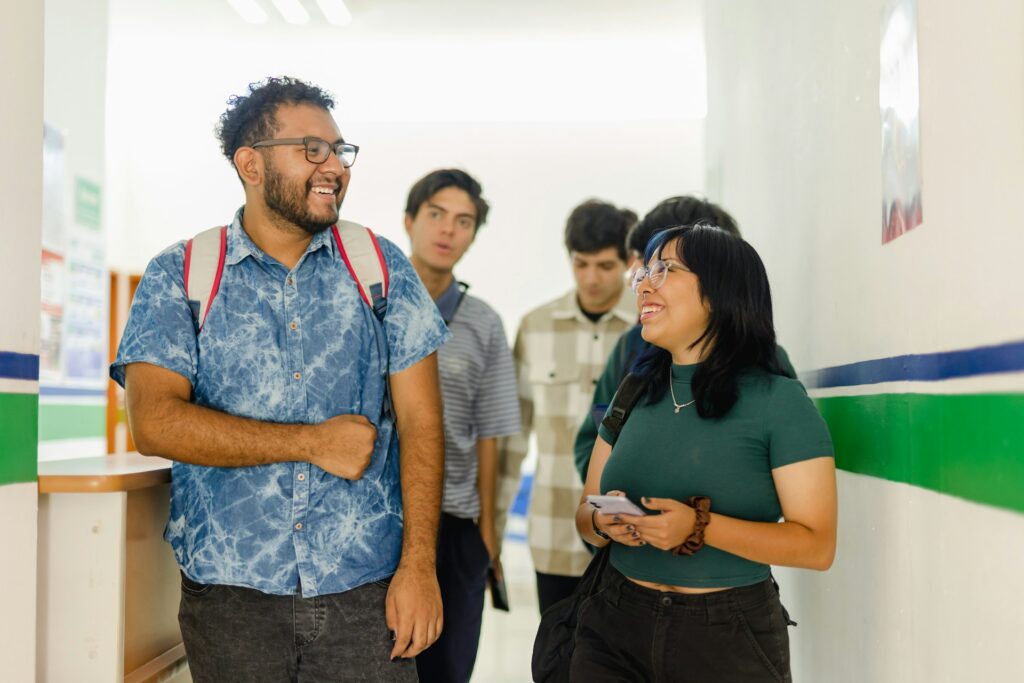
Strong Visitor Management Builds Everyday Campus Trust
Visitor management on a college campus is really about one thing: knowing who is on your grounds and why, without slowing down the day. On Long Island campuses, that is not simple. People come and go from early morning until late at night. Students, adjuncts, vendors, visiting families, guest speakers, and contractors all move through the same doors and parking lots.
When entry is based only on quick familiarity, a handwritten sign-in sheet, or a fast glance at an ID, important details get missed. Open campus designs and multiple entrances make it even easier for someone to walk in without clear purpose or guidance. Visitor management is one part of broader college campus security solutions in Long Island, and it supports daily safety, not just rare emergencies.
Spring is often when visitor traffic picks up for admissions events, accepted student days, and alumni weekends. Clear processes help keep those days organized and calm for students, staff, and guests. At NCD Communications, we have walked Long Island campuses, sat at public safety desks, and worked with teams to move from paper logs to practical, integrated systems that staff actually use and trust.
Common Gaps in Campus Visitor Procedures
When we visit colleges, we see some patterns repeat. Most issues are not about people ignoring rules. They come from procedures and tools that do not match real campus life.
Common pain points include:
- Main entrances that are unstaffed or inconsistently staffed at busy times
- Paper sign-in logs that are hard to read or not filled out fully
- Visitors wandering toward residence halls, labs, or offices with no clear direction
Another issue is what we call assumed familiarity. A delivery driver or contractor shows up every week, so staff wave them through without checking who sent them, what work they are doing, or where they plan to go. Over time, that habit becomes the norm.
Temporary events can create the same problem. Open houses, career fairs, and conferences may rely on wristbands, sticker badges, or printed lists. Those systems often break down when lines get long or when guests arrive late. We have seen campuses with long lines at a single visitor desk, while a nearby side entrance is open and unmonitored. On some campuses, daytime staff follow one set of expectations and evening or weekend security follows a different set.
These gaps usually come from good people trying to keep up with a fast pace while using tools that do not fit the flow of the day.
Core Principles of Safer Visitor Management
When we help colleges think through visitor management, we fall back on three simple questions:
- Do we know who is on campus?
- Do we know why they are here?
- Do we know where they are allowed to go?
If a process cannot answer all three, it is time to adjust. A single, consistent approach across buildings and departments helps a lot. There can still be flexibility for special programs like continuing education, athletics, or performing arts events, but the base rules should be clear and shared.
It also helps to define terms in plain language:
- Visitor: anyone not currently enrolled or employed, such as a family member, vendor, or community member
- Contractor: outside workers on campus for a specific service or project
- Event guest: part of a scheduled, hosted group like a tour, workshop, or conference
Good visitor management is not about treating people with suspicion. It is about clear steps and respectful communication. Simple signage, a friendly but consistent greeting, and a short explanation of what to do next go a long way. We often start our work with walkthroughs and staff interviews before we talk about any hardware or software, because process and training matter as much as devices.
Practical Tools That Make Visitor Check-In Work
Once the plan is clear, the right tools can make visitor check-in faster, more accurate, and less stressful for staff.
Common tools include:
- Digital visitor kiosks or tablets to capture names, visit reason, host office, and contact details
- ID scanning to pull in basic information quickly and reduce handwriting and spelling issues
- Instant badge printing with name, photo, destination, and expiration time so staff can see at a glance who has checked in
These tools can be connected to college campus security solutions in Long Island so they do not sit alone on the front desk. For example, visitor badges can be linked with access control so they only open certain doors during certain time windows. Visitor data can be tied to surveillance, so security teams can quickly review camera footage for specific times and locations tied to a visit. Systems can also share visitor counts with emergency notification tools, so leaders know approximately how many guests are on-site during an incident.
A simple scenario shows how this helps. A vendor arrives to service lab equipment. They check in at a tablet, the system notifies the lab manager, and a badge is printed that allows access only to the lab floor during scheduled work hours. Arrival and departure times are logged, and facilities can review that history later if questions come up.
The most important point is reliability and ease of use. If a system is slow or confusing, staff will fall back to quick shortcuts. Our team spends time configuring screens, fields, and workflows around how each desk truly operates by hour and by season.
Policies, Training, and Communication That Support the System
Technology will not stand on its own without clear rules and training. Colleges need written visitor policies that staff understand and can explain in simple terms.
Key policy decisions often include:
- Who counts as a visitor versus a guest of a resident student or employee
- Which buildings require check-in and during what hours
- Which events require pre-registration and which allow walk-ups
- When exceptions are allowed and who can approve them
Training should reach public safety officers, reception teams, student workers, and event planners. Role-playing is helpful, such as practicing what to do when an unannounced vendor arrives, when a parent tries to go directly to a residence hall, or when a lost visitor appears at a side door.
Clear communication makes everything smoother. Helpful tools include:
- Pre-visit emails for registered visitors explaining where to park and how to check in
- Simple maps that mark the main visitor entrance and desk
- Short scripts staff can use when they need to redirect guests or say no
We often hear the same frustrations: side doors propped open, guests led in through staff-only entrances, and different departments sending mixed messages. When colleges align how they talk about visitor rules, those problems start to shrink.
Planning Visitor Management Before the Next Busy Season
Quiet weeks between major events are the best time to review visitor management. Campus leaders can take a simple, hands-on approach.
A quick checklist might include:
- Walk each main entrance at both peak and off-peak times and watch how visitors actually arrive
- Review current visitor logs, paper or digital, and see what information is missing
- Identify sensitive areas like residence halls, research labs, and finance offices, and trace how a visitor would reach them
- Talk with front-line staff about common slowdowns or awkward moments with guests
At NCD Communications, based here on Long Island, we focus on practical steps that match existing systems and budgets, rather than replacing everything at once. Thoughtful visitor management is not about turning a college into a fortress. It is about giving students, staff, and families confidence that the campus understands who is coming and going every day and has a calm, clear way to manage it.
Strengthen Your Campus Safety Strategy Today
If you are ready to modernize your security infrastructure, our team at NCD Communications is here to help you choose the right college campus security solutions in Long Island for your needs. We will work with your administrators, IT staff, and security teams to design a system that supports both safety and day-to-day campus life. To discuss your goals or schedule a consultation, please contact us and we will respond promptly.