
How to Use Remote Monitoring to Protect Empty K-12 Schools Over the Holidays
Introduction
When the holiday season approaches, Long Island K-12 schools often go quiet. Around mid to late December, many school districts shut down for the winter break. While it can be a welcome break for staff and students, it leaves large school buildings sitting empty, sometimes for days or even longer. That silence can create the perfect gap for problems to sneak in. From power disruptions and burst pipes to attempted break-ins and vandalism, the risks don’t take time off just because people do.
That’s where remote monitoring systems can step in. With the right setup, it’s possible to keep eyes on the building, track changes, and catch warning signs early. You don’t have to be on-site to know what’s going on. These tools give you more control when the physical school is out of reach, helping you to stay one step ahead during a time when issues might otherwise go unnoticed.
Why Holiday Breaks Invite Security Gaps in K-12 Schools in Long Island
Short-handed schedules during holidays can stretch resources thin. When fewer administrators or facilities staff are around, strange activity is more likely to go unreported or even completely missed. Intruders often take advantage of this kind of quiet, recognizing that a school is a large, easy target for vandalism or theft of valuable tech equipment.
Weather can add extra pressure. Cold temperatures, especially deep freezes common in Long Island, can lead to burst pipes or damage to gear that isn’t checked regularly. In some areas, snow may pile up, making it harder to spot suspicious tracks or damaged equipment.
Then there’s the light or lack of it. In winter, the sun sets early, which means school buildings are in the dark for longer hours. Extended periods without light give more cover to anyone casing the property or trying to get in unnoticed.
How Remote Monitoring Adds an Extra Layer of Protection
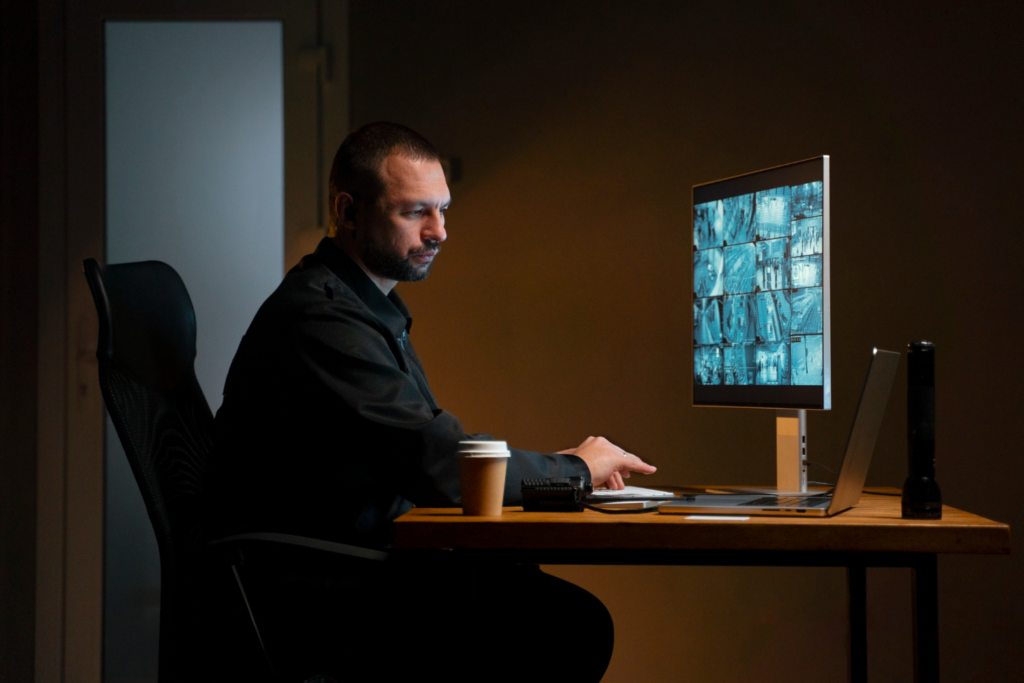
When staff isn’t on-site, automated systems step in. Remote monitoring systems are different from passive cameras or alarms because they actively send updates and alerts when something unexpected happens. They can give real-time information instead of having to wait for someone to review footage later. Commercial camera systems from NCD Communications include intuitive control, real-time status, and connections to mobile devices, which support this kind of monitoring when schools are empty.
These kinds of systems often work by combining different tools such as the following:
- Motion sensors that detect unexpected movement in classrooms or hallways
- Live video feeds that can be accessed through a secure app by district security personnel
- Entry logs that help track when external and internal doors are opened and closed
- Temperature and flood sensors to preemptively detect freezing pipes and water damage
Keeping track of details like these can flag problems early. For example, if a motion alert shows movement in a hallway that’s supposed to be empty, someone can check in right away. If a door that should remain locked gets opened, a notification can go straight to the person in charge.
Some setups even include sensors that track room temperature or signs of water leaks. That means you are protecting against unwanted entry and also against internal damage that might happen when no one’s around.
What to Monitor When No One Is in the Building
Not every area needs the same level of attention. Some points in your K-12 school building make better candidates for active monitoring during a slow period.
Start by keeping an eye on entry areas such as these:
- Main doors, gym entrances, and windows facing parking lots
- Loading docks or rear exits that could be harder to see from outside
- Areas near the main server room or valuable technology storage
Inside the building, it helps to track systems that can quietly fail when no one’s watching. Boilers and plumbing systems are critical during a freeze. That might lead to pipes bursting, equipment overheating, or uncomfortable conditions when staff returns to work.
Networks and security system status are worth watching closely too. A power dip could cause a surveillance camera to go offline. Keeping tabs on signal strength and equipment health helps keep gaps to a minimum.
Setting Up Your System for the Holiday Season
It isn’t enough to have a system in place. When the holidays roll around, it’s smart to double-check how everything is working and make small updates before staff go off schedule.
Here are a few things to prepare ahead of time:
- Test all cameras, alerts, and system functions at least a week in advance
- Change notification settings based on limited staffing so alerts reach the right person (e.g., the facilities manager or a designated security contact)
- Review who has remote access and confirm that login credentials are working
Some monitoring tools may rely on electricity or internet access. Having a backup system, such as cloud video storage or battery-powered support, helps keep systems running if power blips or goes out completely.
Think about the length of the break too. A long weekend might call for basic checks, while a multi-day shutdown over New Year’s could need more detailed settings and coverage. NCD Communications has more than 25 years of industry experience and provides end-user training and data collection support for its products, so school staff can feel more prepared to handle alerts and review activity when the building is closed.
When Remote Tools Make the Biggest Difference
It’s often not the steady days when these tools matter most, it’s the unpredictable moments. Bad weather, unexpected closures, and delays can make it hard or even impossible for district personnel to reach the building quickly.
Remote tools are especially helpful in situations like these examples:
- During Long Island storms that block roads or keep people from traveling
- When alarms go off late at night and someone needs to check what’s happening
- For schools located outside busy main roads where people aren’t walking by often
Instead of waiting until someone can safely visit the site, it’s possible to assess the building right from a phone or computer. That level of responsiveness helps limit how far an issue can go before it’s addressed.
A More Secure School, Even When It’s Empty
Taking a holiday break doesn’t have to mean leaving your school unprotected. With some planning and the help of remote monitoring systems, you can stay informed, even from a distance. These systems give you timely updates and practical tools for keeping your space secure during quiet weeks.
By planning for these gaps ahead of time, it becomes easier to relax. Whether you’re out of town or off the grid for a few days, having a digital eye on your K-12 Long Island school offers peace of mind. That kind of protection doesn’t just prevent issues, it also makes everyone feel more confident coming back after the break.
At NCD Communications, we understand how important it is to keep your educational facility secure when it’s unoccupied. Whether you’re preparing for a quiet winter break or getting ready for cold weather, having dependable solutions in place can make all the difference. Our technology is built to support businesses that need smart, reliable coverage year-round. To discover how remote monitoring systems can help your K-12 Long Island school stay proactive against unexpected challenges, contact us today.