
Rethinking Summer Access on Long Island School Campuses
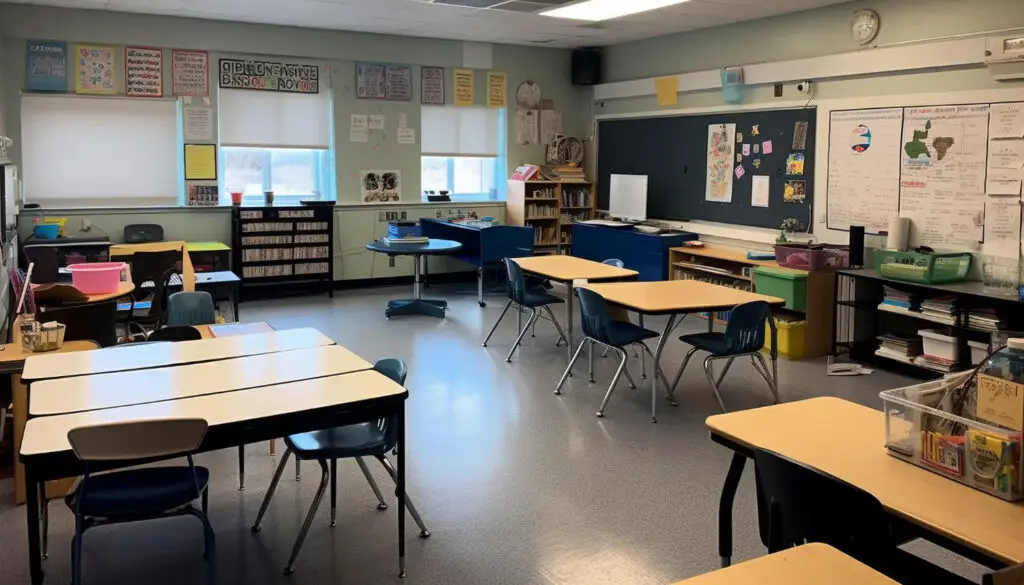
Rethinking Summer Access for Safer School Campuses
Summer on Long Island does not mean school buildings are empty. Classrooms and fields are busy with camps, extended school year programs, sports, construction, and community events, while most teachers and office staff are off campus. That mix can quietly stretch security in ways that do not always show up on a written safety plan.
Doors get propped open for airflow, keys are passed around “just for a few weeks,” and contractors move freely through spaces that would be tightly controlled in September. This is why summer is a good time to step back and review how people, vehicles, and deliveries move through your campuses. When districts adjust summer access to match long-term safety goals, they protect students and staff and keep daily operations running smoothly. At NCD Communications, our team has helped Long Island schools put practical systems in place that do both.
Why Summer Creates Unique Security Gaps on Long Island
Summer patterns are different, and that changes risk. With fewer district leaders, teachers, and office staff on site, there are simply fewer people noticing who is coming and going. A stranger in a hallway in July may not stand out the way they would during the school year.
At the same time, there are more outside users on campus, often with overlapping schedules and unclear boundaries, including:
- Summer school and extended year programs
- Camps and community groups using gyms, cafeterias, and fields
- Athletic clubs and travel teams with evening and weekend access
- Vendors and construction crews working on building projects
When schedules are tight, people look for shortcuts. We often see “temporary” workarounds like taping door latches, leaving side doors unlocked for a coach, or handing one key ring to a contractor who shares it with the whole crew. In our experience, those habits can stay in place once September comes.
On Long Island, the local setting adds a few twists. Many districts have multiple buildings on a single campus, shared fields and parking areas with towns or villages, and long, humid days that make open doors and windows very tempting. Unless systems are planned with both comfort and security in mind, it can feel like you have to choose one or the other.
Moving From Keys to Controlled Access That Works
Traditional metal keys are simple, but they create daily problems for schools. Keys get lost, which can mean re-keying doors or whole buildings. Staff change roles or leave the district, yet their keys are still out there. There is no easy way to know who opened which door or when.
Access control is a different way to manage doors. Instead of only using metal keys, schools can use:
- Card readers
- Key fobs
- Mobile credentials on phones
With these tools, you can turn access on or off for each person without changing a single lock. That makes summer access easier to manage. For example, districts can:
- Set schedules so certain doors unlock only during camp or program hours
- Give contractors temporary digital access that ends when the project does
- Limit each user to the building, wing, or floor they actually need
If you are looking at how to improve school security in Long Island, starting with access control on a limited set of doors is a practical approach. Many districts begin with the doors that matter most, such as main entries, rear service doors, and key interior spaces like server rooms, nurse’s offices, and storage for sensitive items. From there, they add more doors as budgets and planning allow.
Smarter Visitor and Contractor Management in Summer
In summer, it is especially important to be clear about who is allowed to be on campus and where they are allowed to be. A single check-in point for all visitors and contractors, even when the main office is running with a small team, helps maintain control. A simple sign-in system that records ID, destination, and reason for visit gives you a record to refer back to if questions come up.
Cameras can support this check-in process. When cameras cover main entrances, service doors, and construction access points, office staff or custodians can match faces on screen with the sign-in log. That is useful when staff do not personally know every coach, camp counselor, or vendor.
Contractor access is a common summer headache. Crews may arrive early, stay late, leave doors propped open, or move into areas that were not part of the plan. When access control and cameras work together, districts can:
- Give each vendor a separate access profile
- Log every entry and exit by door and time
- Review camera clips quickly if an issue is reported
Our team at NCD Communications has worked with Long Island districts who faced these exact issues. By tightening contractor access rules and aligning them with access control and camera coverage, they were able to keep summer projects moving while still keeping boundaries clear for everyone.
Protecting Open Spaces, Gyms, and Fields During Summer
On warm summer evenings, fields, tracks, and playgrounds can stay busy long after offices close. Some of that use is approved, like youth leagues or town programs, and some is not. Heavy use without clear rules can lead to vandalism, trespass, or injuries that no one sees happen.
A layered approach around these shared areas makes supervision more realistic. Helpful steps include:
- Good lighting on paths, parking lots, and field access points
- Focused camera coverage on entrances and high-risk corners
- Clearly marked parking areas and entry paths for approved groups
Inside, gyms, weight rooms, and locker rooms are often in demand for both school teams and community partners. Schedule-based access and simple door prop alarms can secure these spaces without asking a staff member to sit at a front desk all night. On Long Island, many districts also work with local leagues and municipalities on shared use. Written agreements and matching access rules help everyone understand who is responsible for doors, lights, and locking up.
Using Summer to Test and Strengthen Lockdown Readiness
Summer can be a lower-pressure time to test how well your lockdown systems work. With fewer students and programs in the building, districts have more room to walk through what would happen in a real event, from the first alert to the last door locked.
It helps to look at the full chain, not just the technology. Questions to walk through include:
- How quickly can exterior doors be secured from a central point?
- Do staff understand which doors should always stay locked from the outside?
- Are classroom doors working as intended from both the hallway and inside?
When access control, cameras, and lockdown buttons are integrated, one action can trigger several responses. For example, starting a lockdown can lock all exterior doors, send notices to key staff, and mark camera feeds so leadership can review what happened later. During these quiet-season checks, our team often finds small but important issues, such as doors that do not latch well, camera blind spots at main entries, or PA speakers that are too hard to hear in summer program areas. Addressing these before the new school year starts has made a clear difference for principals and facilities leaders we work with.
A Practical Summer Access Checklist for Long Island Leaders
Districts do not need to change everything at once to make summer safer. A few focused steps with current resources can help right away, such as:
- Cut down the number of unlocked entry points in daily use
- Direct all summer programs and contractors through one main entrance
- Post simple signs showing which doors are for staff, visitors, and deliveries
- Walk the campus after hours once a week to look for propped doors or dark areas
While summer is in full swing, it is also a good time to take notes. Where do staff struggle to get in or out? Which doors cause constant key or latch issues? Which areas feel out of sight or hard to monitor during evening programs? These notes can guide future safety plans and budget choices.
Strong results come when facilities, IT, school safety teams, and building leaders sit down together and map how people actually move through campus in summer. From that map, it becomes easier to see where a small investment in access control, cameras, or network improvements could reduce risk the most. At NCD Communications, our team works alongside Long Island schools on this kind of planning, focusing on steady, practical steps that improve school security in Long Island while respecting daily operations, budgets, and community expectations.
Protect Your School Community With Smarter Security Today
If you are ready to explore practical strategies for how to improve school security in Long Island, our team at NCD Communications is here to help you design the right solution for your campus. We will assess your current vulnerabilities, recommend camera and monitoring options, and create a plan that fits your budget and safety goals. To discuss your school’s specific needs or schedule a consultation, contact us today.