
Why Remote Monitoring Is Crucial After-Hours for NY Businesses
Introduction
After hours, many New York businesses assume their space is safe simply because the last person locked the door. But silence doesn’t always mean security. When staff exit for the evening and offices, warehouses, or storefronts sit empty, those quiet hours can carry higher risk than most expect.
Remote monitoring systems give business owners and property managers a way to stay connected to their site without being onsite. Especially during colder months, when unexpected weather and delayed response times are common, having eyes on your building at all hours brings real peace of mind. Using what we’ve learned from working with Long Island and surrounding areas, we’ll explain why these systems matter most when buildings are quiet, not crowded.
After-Hours Risks Businesses Overlook
When a building closes down for the night, a few things change right away. Fewer people are around. Lights are off. Streets get quieter. And unless someone is watching closely, small issues can turn into bigger problems before anyone notices.
Here are a few risks we’ve seen crop up over winter months:
- Fewer staff onsite means delayed response. If there’s a break-in, water leak, or system failure overnight, it may go unnoticed until morning.
- Cold weather often exposes weak spots. A heating unit that shuts down after hours can put pipes at risk if no one is alerted.
- Vacant buildings sometimes draw the wrong attention. Whether it’s unauthorized entry or people checking for signs of activity, suspicion grows when buildings sit dark for days.
Without a way to track what’s happening after hours, these issues are easy to miss. Even the most reliable facility teams can’t be everywhere at once, especially when safety depends on fast reaction time.
How Remote Monitoring Systems Work
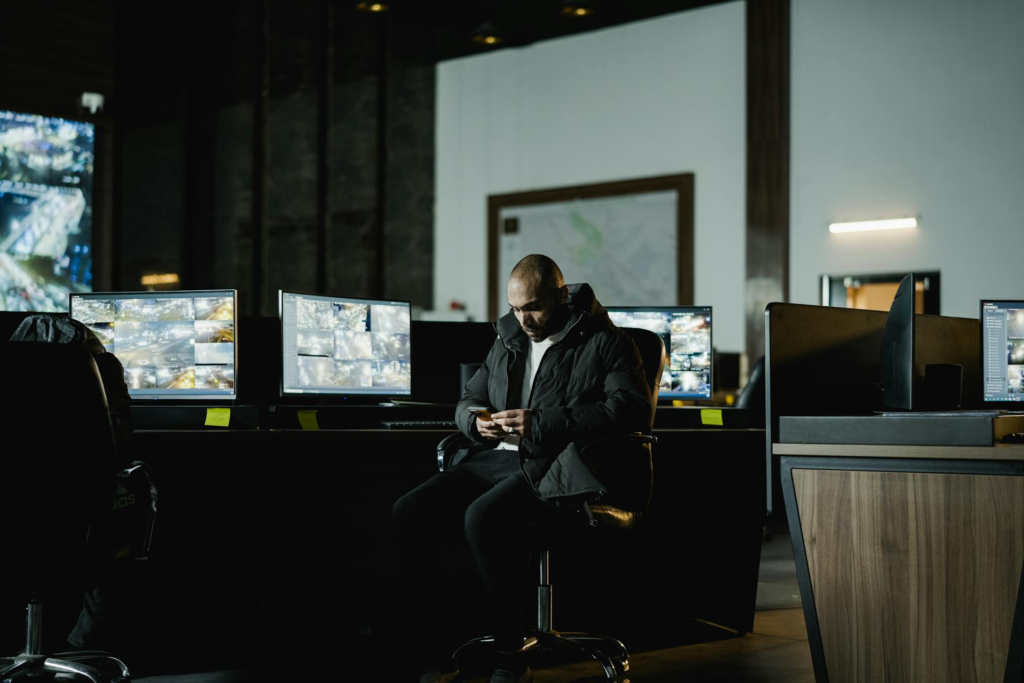
For many of the buildings we support, remote monitoring systems act like a second set of eyes. These tools are designed to alert managers about changes, actions, or issues that happen inside and outside the building when staff is away.
Here’s how they function in simple terms:
- Cameras and sensors are installed throughout the property to detect motion, temperature shifts, or open doors.
- These devices are connected to a control system that staff or central monitoring teams can check in real time.
- Activity is logged continuously, helping managers see who accessed the building, when they came in, and how long they stayed.
For many properties, our cloud-based fourDscape software platform integrates with existing safety and security systems into one common operating platform, giving remote users real-time visibility and access during an incident.
The real advantage comes from knowing you don’t have to guess what’s happening. Whether it’s a door left open or motion after hours, alerts from the system help teams act quickly rather than find out later.
Common Use Cases Across NY Business Properties
Each business has different needs, but we’ve seen some consistent patterns across our work in New York.
- Office buildings with sensitive files or digital equipment often use motion alerts to catch off-hour activity. Even small after-hours access could trigger a review.
- Warehouses in less traveled industrial zones tend to lean on remote monitoring most during weekends and holidays when foot traffic drops off.
- Retail storefronts, especially in locations with side access or loading zones, benefit from environmental checks during winter for frozen pipes or sudden changes in temperature.
These are places where normal business hours don’t always align with risk. Long weekends, holiday breaks, and weather disruptions can make response time slower. That’s when these systems fill the gap.
Where Businesses Run Into Trouble Without Monitoring
Skipping remote monitoring doesn’t always seem like a big deal at first, especially if nothing has gone wrong before. But we’ve seen how that kind of wait-and-see approach can backfire once the right storm hits.
Here are some of the problems people tend to face without a reliable system in place:
- Open doors that are forgotten can trigger alarms, but if no one is monitoring, nothing gets logged or addressed until the next day.
- Heating failures overnight in January can lead to frozen pipes or damage by the time someone returns, which is a common winter issue across New York.
- Manual checks get missed. When your staff is responsible for everything from safety to scheduling, it’s easy to assume a building is fine unless told otherwise.
Another challenge we run into is outdated equipment. Some older systems can’t connect to cloud-based tools or mobile apps, which makes real-time alerts impossible. That limitation means waiting until someone is physically onsite to know what’s happening.
Smarter Security for Slower Seasons
During winter, buildings don’t move as fast. The sun sets earlier, snow slows down travel, and staff hours shift. It’s a season where normal routines are easily disrupted, which is one reason remote monitoring matters more than people expect.
Having the right systems working in the background makes a difference:
- Business managers get a clearer picture of what’s going on between shifts, holidays, or weather delays.
- Alerts help teams stay ahead of issues rather than reacting the next day.
- Facility teams can focus on scheduled work instead of chasing what went wrong overnight.
With more than 25 years of industry experience and office locations in New York City and Long Island, we help organizations apply these tools in ways that match their operations and staffing. Our support team is available around the clock in the event of product service issues, and our monitoring platforms are built with multiple backups so they stay up and running when conditions are at their worst.
We’ve worked with enough properties to know this: when a building is left alone, the best plan is not to assume nothing will happen. With remote monitoring systems in place, you don’t have to hope for the best. You just check, respond, and move forward with fewer surprises.
At NCD Communications, we understand how important it is to have the right tools watching over your building when you can’t be there. Whether you’re handling after-hours access or weather-related outages, maintaining a clear view of what’s happening helps keep small issues from becoming bigger concerns. Without active monitoring, important details can go unnoticed. Learn how our remote monitoring systems provide the visibility and timely alerts you need. Contact us to discuss the best options for your property.